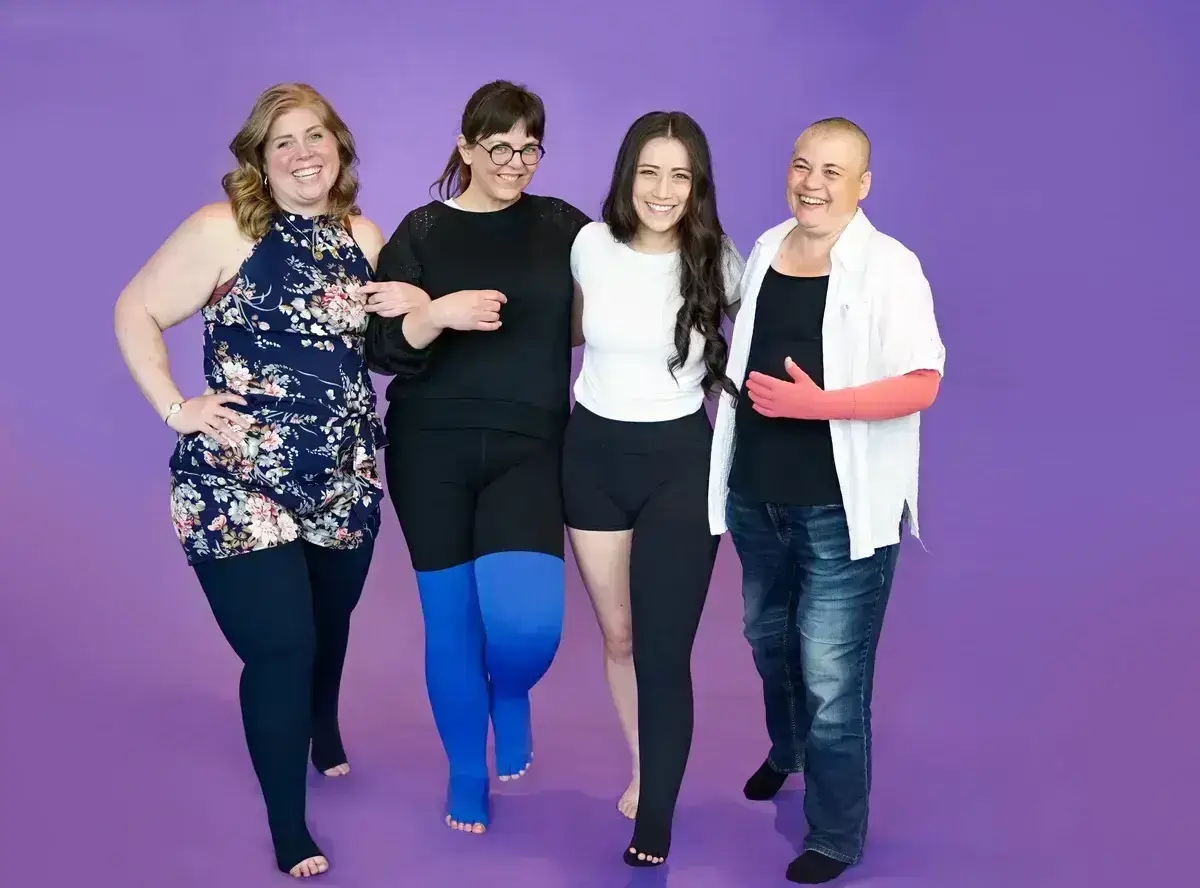
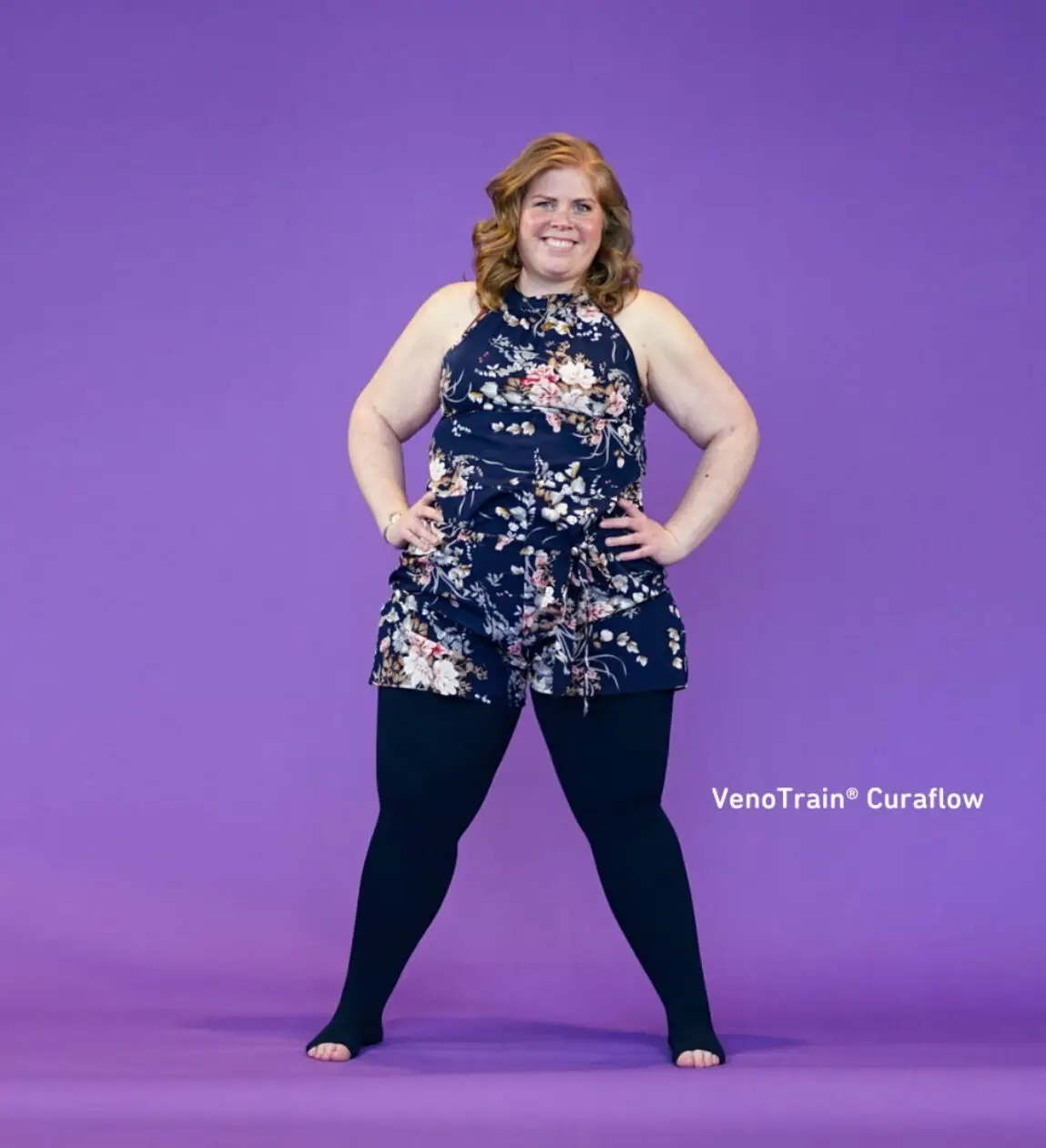
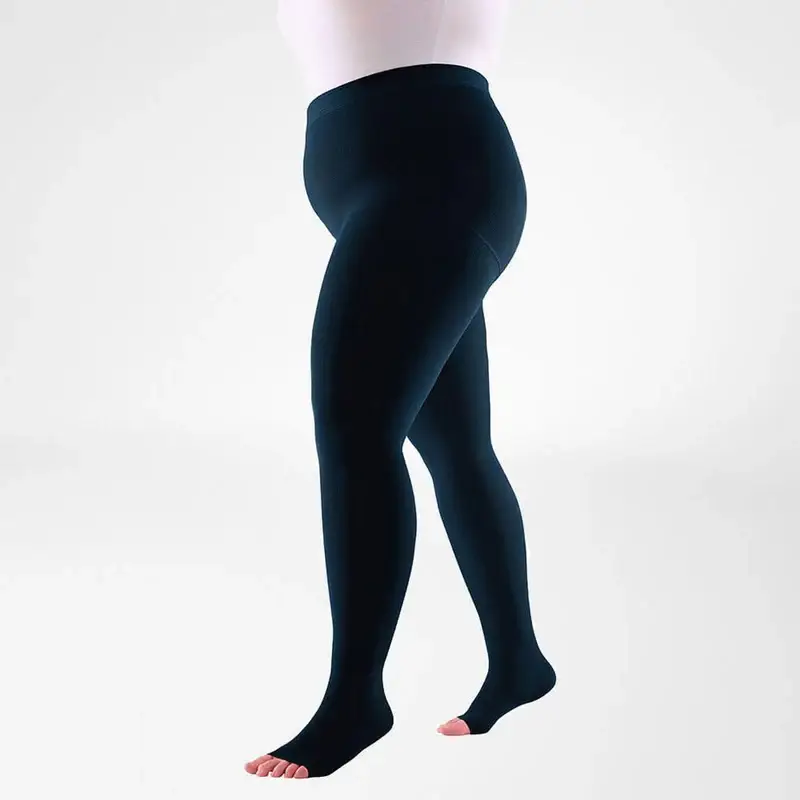
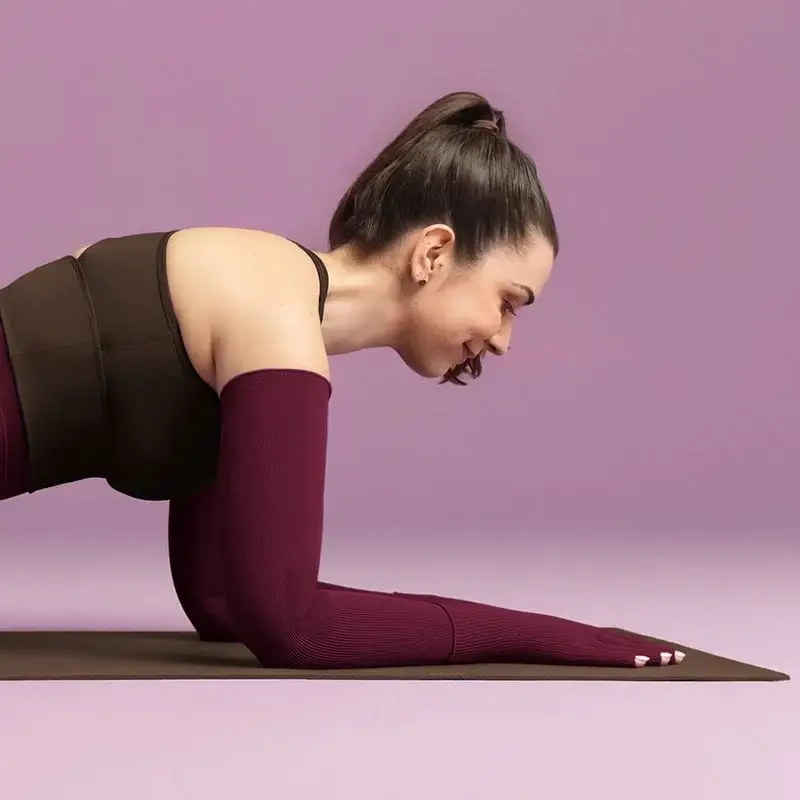
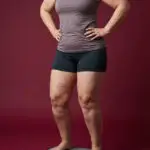
The best compression is the compression you can wear.
There are several things to consider before beginning compression therapy to manage your lipedema symptoms.
Compression can be a very challenging part of lipedema management.
The more advanced the stage, the harder it is to get well-fitting garments, and the contribution of pain, tenderness, mobility issues, and high cost of custom garments adds challenge.
This, in combination with poor fit and high cost, often means poor adherence to compression therapy and therefore, poor long term management. This tool can provide relief of some of the pain, especially the touch, as well as manage swelling in the limbs. Compression therapy is one of a list of conservative management strategies and can be used along with others for optimized relief of lipedema symptoms.
Types of compression
There are several different kinds on the market.
Circular knit: offers different angles of stretchiness and are suitable for various body shapes. It stretches along both length and width.
Flat Knit: offers stretch in two directions, and has a seam up the back of the leg. When fitted appropriately, they are less likely to roll or create creases on the skin which can cause further issues with lymphatic drainage, a tourniquet, and other skin issues.
Inelastic: Made from non-stretch material, inelastic garments mimic bandage wrapping techniques, providing firm support.
Micro Massaging: These garments utilize textured knit material to micro massage the lymphatics, promoting fluid movement.
Nighttime Compression: Designed for overnight wear, these thicker padded garments help reduce nightly swelling and break up fibrotic tissues.
Pneumatic Compression Pumps: Devices mimicking manual lymphatic drainage, aiding in pushing retained fluids towards the body’s core.
Those with lipedema should avoid circular knits. Custom flat knit garments are recommended for lipedema patients.